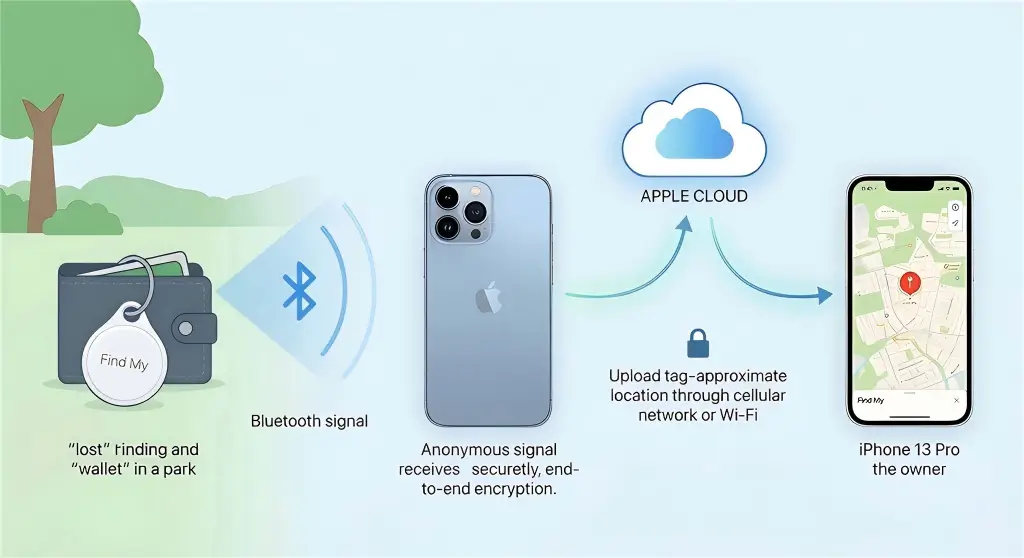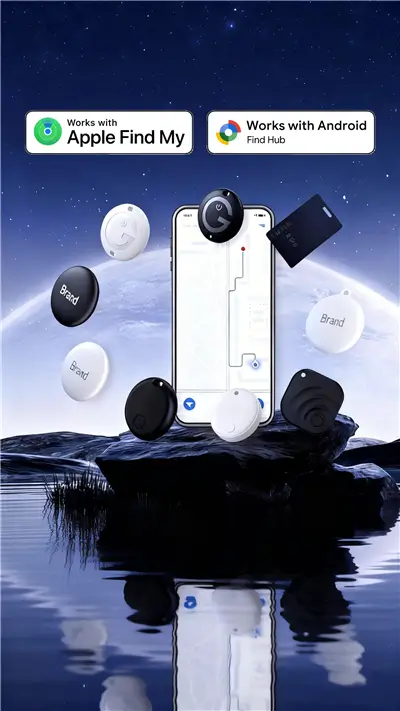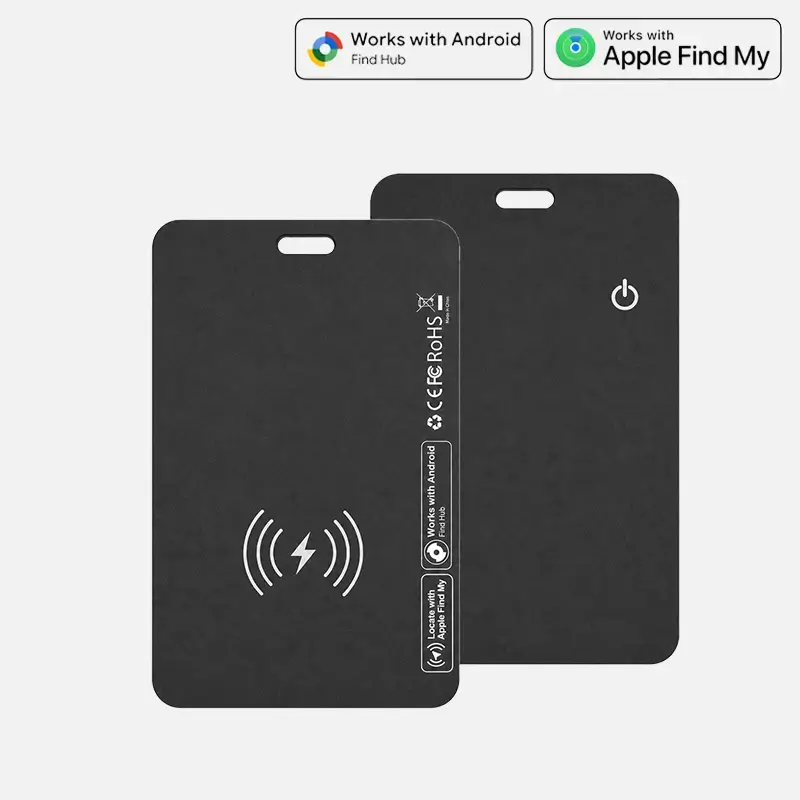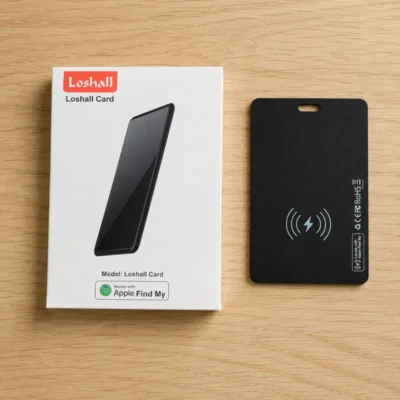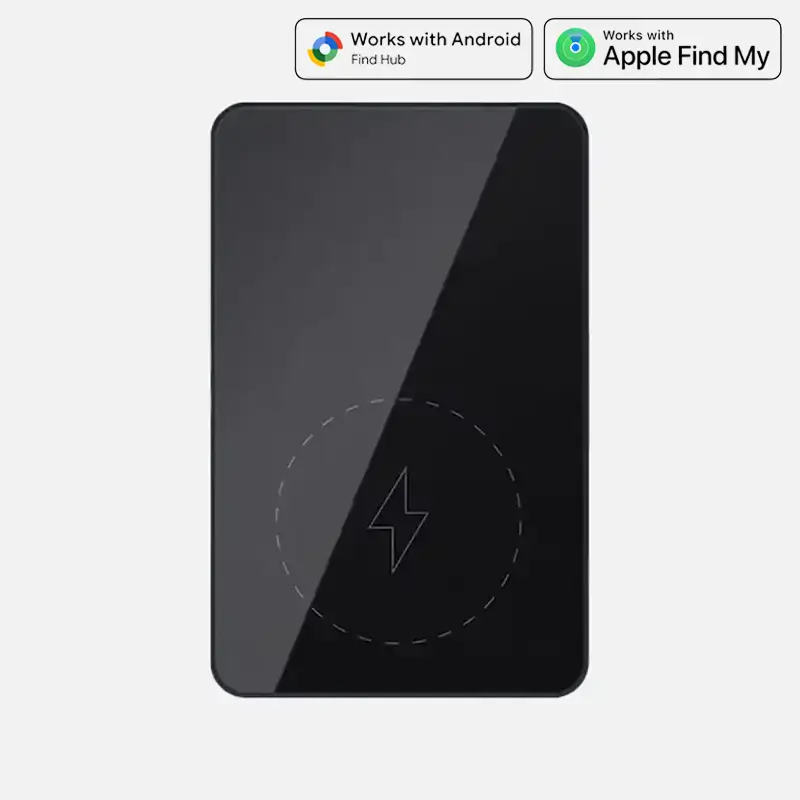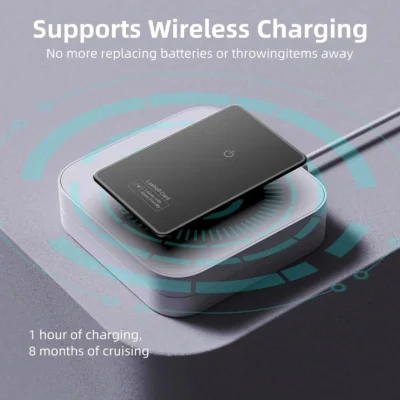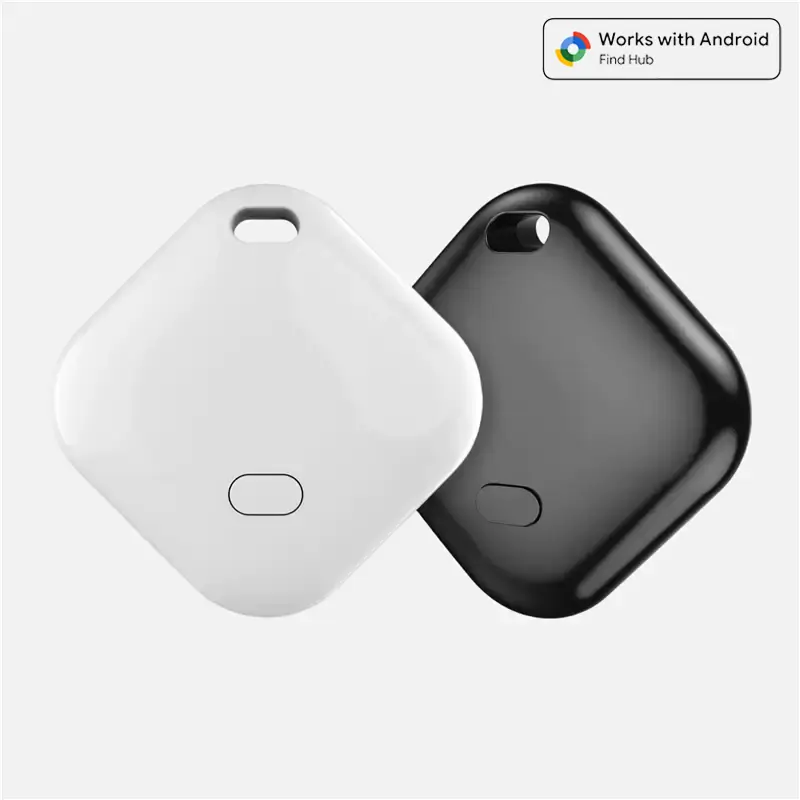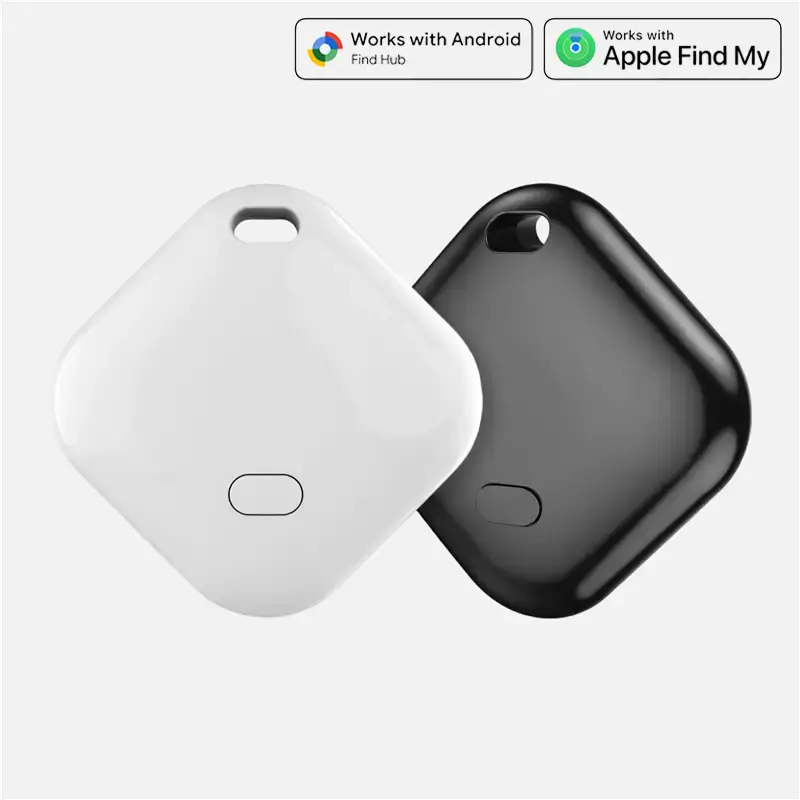
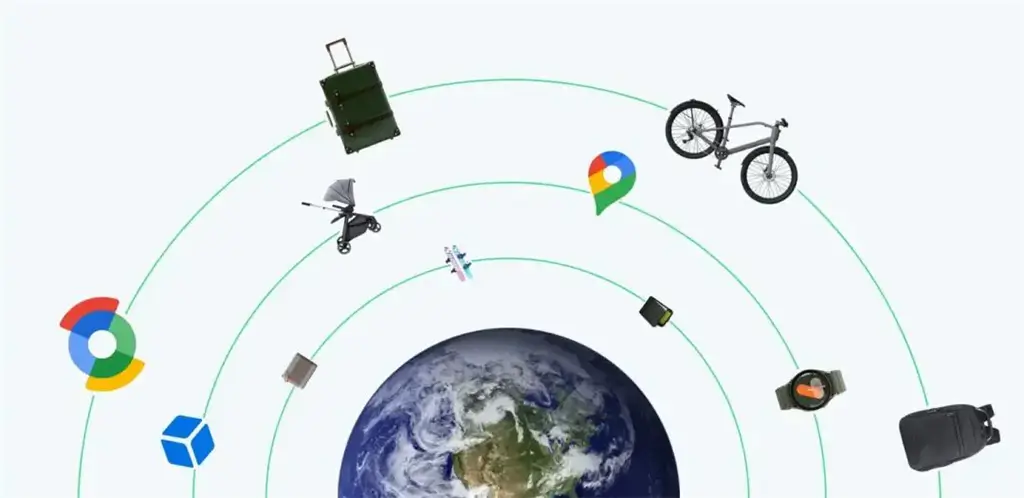
After Apple Find My’s six-year reign in the premium market, Google has aggressively entered the arena with Find Hub, its native system-level tracking network. Backed by 4 billion active Android users globally, this open ecosystem is completely reshaping the multi-billion-dollar smart tracking landscape.
1. The Core Divide: Fully Open vs. Semi-Closed Ecosystems
Unlike Apple’s strict MFi certification system, Google has adopted a fully open strategy. Its biggest game-changer is opening up Ultra-Wideband (UWB) high-precision indoor tracking technology to third-party manufacturers.
This shatters previous technological barriers, allowing hardware manufacturers to integrate at a significantly lower cost while enjoying the massive traffic dividend of native, system-level pop-up notifications.
2. The Scalability Dividend for Third-Party Hardware Manufacturers
The launch of Find Hub directly unlocks three major monetization opportunities:
- Mass Market Explosion: A foundation of 4 billion Android users makes massive hardware rollouts possible without exclusively fighting for the premium user segment.
- Expanding Indoor Applications: By leveraging UWB, B2B high-precision tracking scenarios—such as in-mall asset finding and factory equipment tracking—can now be implemented at a low cost.
- Converting Billions of Nodes: The platform’s ultimate goal is to convert 4 billion users into tens of billions of tracking nodes. The potential market for “attaching a smart tag to everything” is worth hundreds of billions.
3. The Winning Go-to-Market Strategy
The future market will undoubtedly be a duopoly. For hardware exporters and brands, a “Dual-Ecosystem Integration” is the only correct answer.
Use the Apple ecosystem to secure your high-ticket baseline, and leverage Google Find Hub to rapidly capture global mass-market share, seizing the early-mover advantage in UWB scenario innovation.